 Request call back

 Categories
Private Label and OEM
 By:Admin
 24 February, 2026
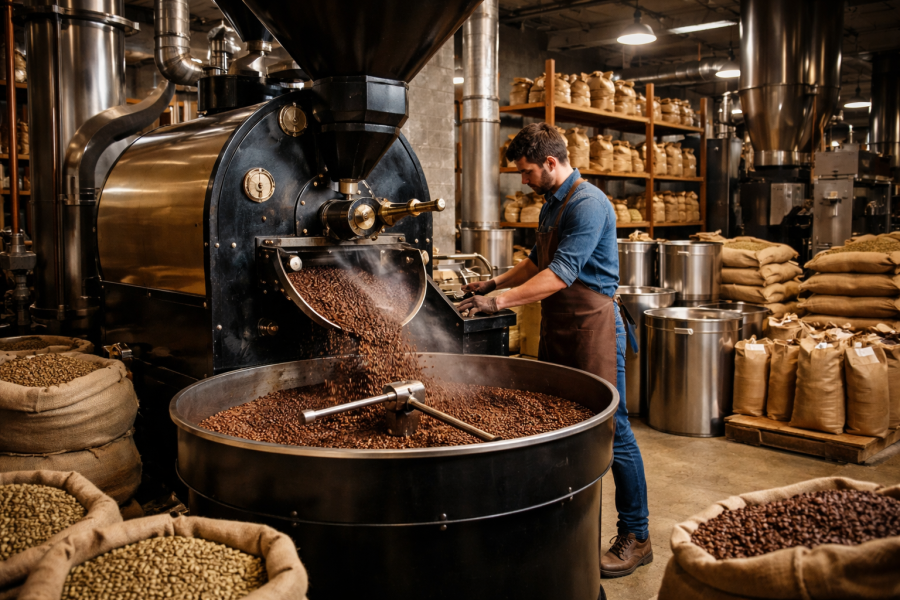
The process of roasting coffee would be determined by how every process is executed, starting with raw beans and finishing with packing. Not that it smells strongly or is of a dark colour. Customers seek healthy flavor, consistently good quality, and no risk of food contamination. When using a trusted roasted coffee manufacturer, attention is given to each step to ensure that the coffee of each batch tastes the same. All these points are quality, and when observed in the right way, roasted coffee is made easier to brew, easier to sell, as well as it gets to drink. Let's talk more about this.
Good green beans should be the beginning of making fine roasted coffee. The taste of coffee varies depending on its place of growth, such as weather, soil, and the height of the land. The proper environment is beneficial in the development of beans with increased balance and natural sweetness.
Harvesting also matters. Beans that are timely picked roast smoothly and minimize wastage. Following harvesting, beans need to be sown and sorted. Broken or bruised beans reduce the quality and also produce uneven roasting. The moisture content must be maintained at an average level to ensure that the beans are not cracked when roasting or made dull. In the event of strong beans, the roasting is more dependable.
Roasting changes green beans into drinkable coffee. Heat and time must stay balanced. Too much heat causes burnt and bitter notes. Too little heat leaves the coffee weak and grassy. A clear roasting plan helps bring out flavor without damage.
Midway through production, a skilled roasted coffee manufacturer focuses on steady machine settings and repeatable roast profiles. This preserves color, smell, and taste. It is important to cool the beans down, too. It will prevent additional heat that alters flavor and helps in preserving freshness.
After roasting, coffee is checked using clear and simple standards. These checks help confirm that the batch meets quality expectations.
Color should look even, not patchy
Smell should feel clean and fresh
Taste should feel balanced, not sharp or flat
Aftertaste should stay smooth
The bean surface should match the roast level
These checks help catch problems early and keep quality steady.
The roasted coffee can easily become inappropriate unless packed. Air, light, and moisture inhibit flavor. Appropriate packaging ensures control of the beans, which lasts longer. One-way valves are used in order to eliminate the gas and yet leave the air outside.
Storage also matters. Coffee should stay in cool and dry spaces. Clear roast dates help buyers use coffee at its best. Quality-focused producers plan delivery carefully so coffee does not sit too long before use.
Good roasted coffee is a result of attention to all stages. Good beans, regulated roasting, transparent checks, and safe storage are all contributors. With these steps adhered to, one is guaranteed of coffee that will be clean, well-brewed, and consistent. The selection of an appropriate roasted coffee manufacturer assists businesses in preventing the problem of quality and in gaining the trust of clients. Souare Group has a well-organised and realistic roasted coffee production philosophy, and has good sourcing and control in its process.
You can learn more about our techniques and strengths by taking a closer look at their work on souaregroup.com, where quality is being defined as a process, not a promise.
Rating & Reviews for
Quality Standards Used by a Reliable Roasted Coffee Manufacturer


