 Request call back

 Categories
Private Label and OEM
 By:Admin
 25 September, 2026
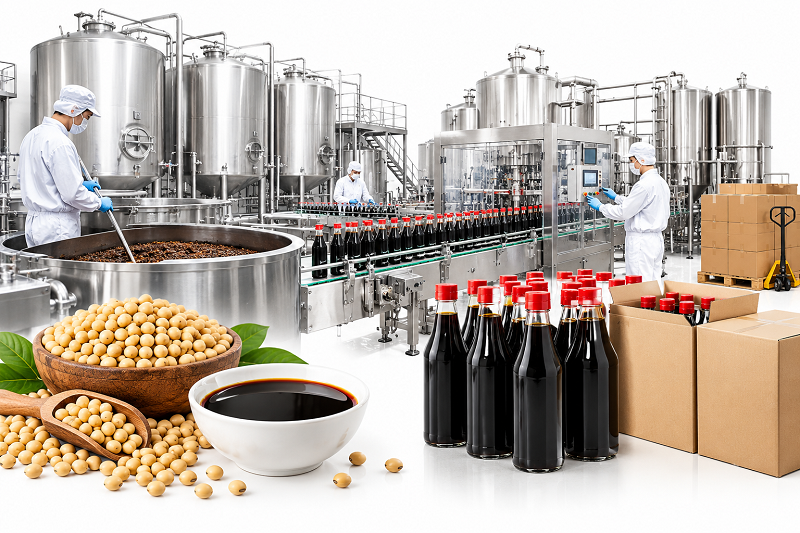
Soy sauce is used in homes, restaurants, shops, and food businesses. It can be added to rice, noodles, vegetables, meat, and sauces. Working with a Soy Sauce Factory in China can simplify supply planning. Buyers can discuss products based on their market and delivery needs. Direct factory coordination can cover sourcing, production, quality checks, and packaging.
Buyers can also discuss labels, order amounts, paperwork, and shipping. These details matter when planning regular food product deliveries. Retailers and wholesalers may have different needs from restaurants. Importers may also need specific delivery plans for their markets. Clear communication can keep each supply stage easier to manage.
Direct communication gives buyers a clear place for product discussions. Buyers can explain their market needs before supply planning begins. They can also discuss the amount required for each order. Packaging and label needs can be reviewed during these discussions.
This approach keeps important details within one supply conversation. Buyers can explain whether products serve stores or restaurants. Food businesses can also discuss their regular supply requirements. I think clear product planning is useful before any large order.
A factory-linked supply process can bring several activities together. Souare Group lists sourcing and production planning among its services. Quality checks and packaging are also part of the stated process. Export work forms another part of its supply support.
Buyers can discuss these stages around their market requirements. This can reduce the need for separate supply discussions. It also keeps product and delivery details connected. Buyers should still confirm each requirement before placing an order.
Buyers can prepare several details before starting a soy sauce order.
Product needs: Buyers can explain how the soy sauce will be used in their market.
Order amount: Required quantities help shape production and delivery planning for each order.
Packaging needs: Buyers can discuss packaging based on their sales and customer requirements.
Shipping details: Delivery plans help suppliers arrange export work around the buyer's destination.
These points give buyers a simple base for supply discussions. Clear details can also make order planning more direct.
Soy sauce can be used across several everyday food applications. The website lists rice dishes, noodles, and stir-fried foods. Marinades and sauces are also included among its uses.
These applications serve both home users and food businesses. Restaurants may use soy sauce across different prepared dishes. Food shops can also stock soy sauce for their customers. Buyers should consider their main use before discussing supply volumes. This helps connect product orders with actual market demand.
Packaging forms an important part of planning commercial food supply. Buyers can discuss packaging before finalizing their product requirements. Labels can also be reviewed as part of the order process.
The supplier states that it assists with product design and labels. Buyers can also discuss the amount ordered for each supply plan. Early discussions can reduce confusion during later production stages. Good packaging planning should match the buyer's target market.
Working directly with a Soy Sauce Factory in China can centralize several supply discussions. Buyers can discuss products, packaging, labels, quantities, paperwork, and shipping. These areas are all mentioned within the supplier's stated support.
This setup can suit retailers, wholesalers, importers, and restaurants. Food businesses can also organize orders around their delivery plans. Buyers should provide complete requirements before starting production discussions. Visit souaregroup.com to review its soy sauce supply services. Contact the team to discuss your product and delivery needs.
Rating & Reviews for
What Are the Benefits of Working Directly with a Soy Sauce Factory in China?


