 Request call back

 Categories
Customs Clearance
 By:Admin
 31 January, 2026
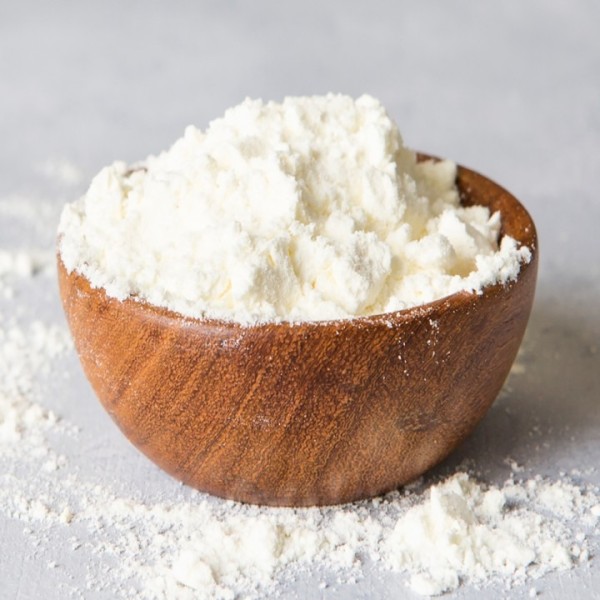
Choosing the right dairy for your business doesn’t have to be difficult. As supply chains become more complex, many companies are switching from fresh liquids to powder. It is simpler to carry around and stack, will also last longer when taken care of. Skimmed Milk Powder (SMP) is one of the best procurement products due to its versatility in the procurement industry. The problem, however, lies with the buyers trying to see which one is better than Whole Milk Powder (WMP). As a skimmed milk powder supplier, one should not only be about the price but also consider the quality and nutrition. Below, we will discuss more about this.
What is Skimmed Milk Powder
Skimmed milk powder is made simply. Fresh milk is then filtered through a separator, which removes the major part of the fat. The rest of the milk is then dried on the spray to make a fine powder. This preserves fat, which is at a level of under 1.5%, and also preserves the proteins and minerals. When mixed with water, it gives a light milk taste, ideal for drinks and mixing recipes.
How Whole Milk Powder Is Made Differently
The same is done with whole milk powder, except that the fat is not removed. Whole milk is dried directly as it comes out of the cow. Since the retained natural fat is generally 26 to 28%, the powder is richer. Combined with water, it is as tasty as fresh milk. It is commonly applied to chocolates, dessert and baking.
Skimmed and Whole Milk Powder Compared in Simple Terms
To select the appropriate choice for your kitchen or production application, you need at least this fast comparison:
Fat Content: Skimmed milk powder is not very high in fat (it is not more than 1.5%). The whole milk powder includes significantly higher amounts of fat (ranging to 26% or more.
Shelf Life: Skimmed milk powder normally has a long shelf life of up to 18 months. The reason is that it contains little or no fat, thus not being spoiled easily and not producing bad smells.
Mixing Ability: Because it dissolves more rapidly, even in cool liquids, skimmed milk powder. Whole milk powder does not easily mix with warm liquid or requires additional stirring.
Protein Level: Skimmed milk powder has higher protein content since the powder has fewer fats occupying the space in the sample.
Which One Should You Choose
The correct option is based on the intention of how you want to utilize it. Skimmed milk powder is best when you are preparing tea whiteners, low-fat soups, and diet drinks. It provides a pure dairy base and does not alter its other flavours.
If the goal is rich ice cream or soft, buttery baked items, whole milk powder fits better. It provides a natural creamy touch which could not be attained by skimmed milk powder. The large food producers like this use skimmed milk powder as it is simpler to store, easier to use in mass production and retains longer.
Conclusion
In the food industry, both skimmed and whole milk powder serve clear purposes. Long shelf life and light nutrition have been achieved by using skimmed milk powder, and rich taste and texture with whole milk powder. The appreciation of such differences avoids making wrong decisions and spending. Using the right ingredient keeps production steady and results consistent. For businesses looking for a skilled skimmed milk powder supplier, souaregroup.com offers reliable skimmed milk powder with strong quality checks.
Rating & Reviews for
Choosing the Right Skimmed Milk Powder Supplier: SMP vs Whole Milk Powder Explained


